Pvt. Ltd.
In modern fine jewellery manufacturing, achieving consistent results with precious metals requires strict technical discipline. When producing high-end luxury pieces, selecting the correct Platinum Jewellery Alloy dictates everything from molten metal fluidity to final structural durability.
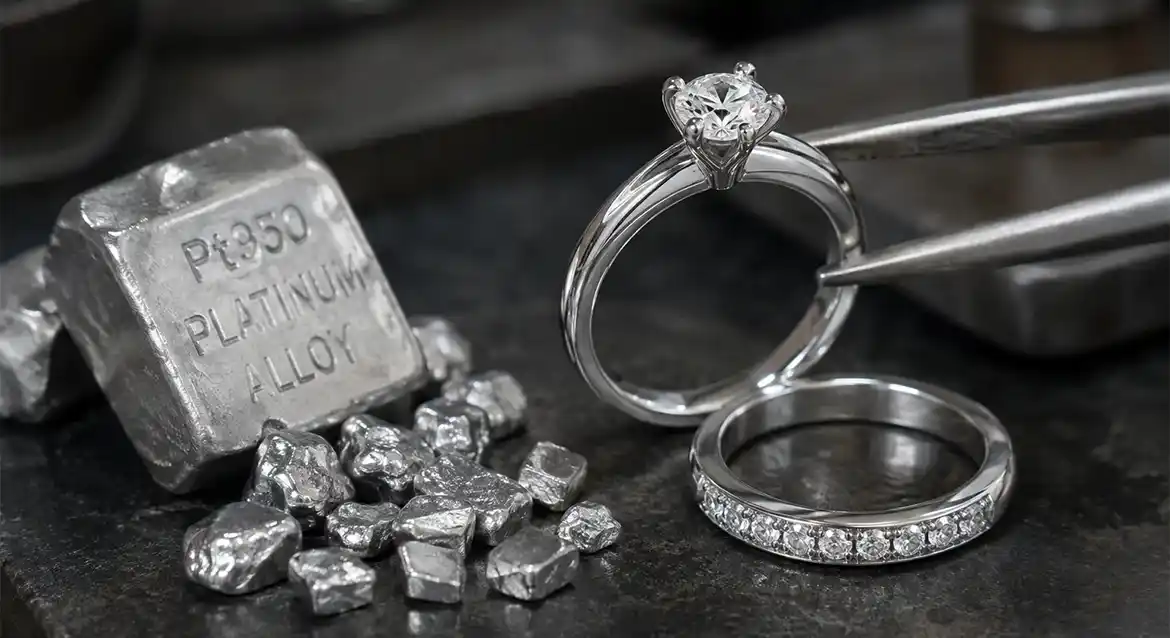
Pure platinum is too soft and dense for practical everyday wear, meaning that mastering its metallurgical properties is essential for any professional caster or goldsmith aiming to eliminate production flaws. For a broader foundational understanding of how pre-alloyed metals optimize workshop outputs, you can review this helpful jewellery master alloys casting guide.
A Platinum Jewellery Alloy is a homogenous combination of high-purity platinum mixed with specific transition metals or platinum-group elements (PGMs). Because pure platinum sits at a staggering 99.9% purity and melts near 1,768°C, it requires specialized formulations to lower working thresholds and enhance mechanical strength.
Evaluating the proper platinum jewellery composition allows manufacturers to control shrinkage, improve surface finish, and ensure secure stone-setting claws. By partnering with experienced producers, workshops can source specialized formulations like a reliable Ransa Alloys platinum master alloy designed to withstand rigorous thermal cycles.
Depending on your workshop requirements—whether you focus on lost-wax investment casting or hand fabrication—different alloy families offer unique operational advantages:
The structural integrity of your finished inventory depends heavily on the precise platinum alloy composition. While standard fine jewellery often utilizes a Pt950 alloy (containing 95% pure platinum and 5% secondary elements), heavier industrial components may use a 900 standard.
Choosing a premium platinum casting alloy ensures that grain growth is properly controlled during solidification. For a deeper look into how metal impurities and poor mixture choices create casting failures across different precious metals, reference this detailed analysis on solving silver casting defects.
Implementing a superior formulation yields immediate benefits on the factory floor and in retail showcases:
To explore options optimized for your production lines, browse the official palladium & platinum casting alloy catalog.
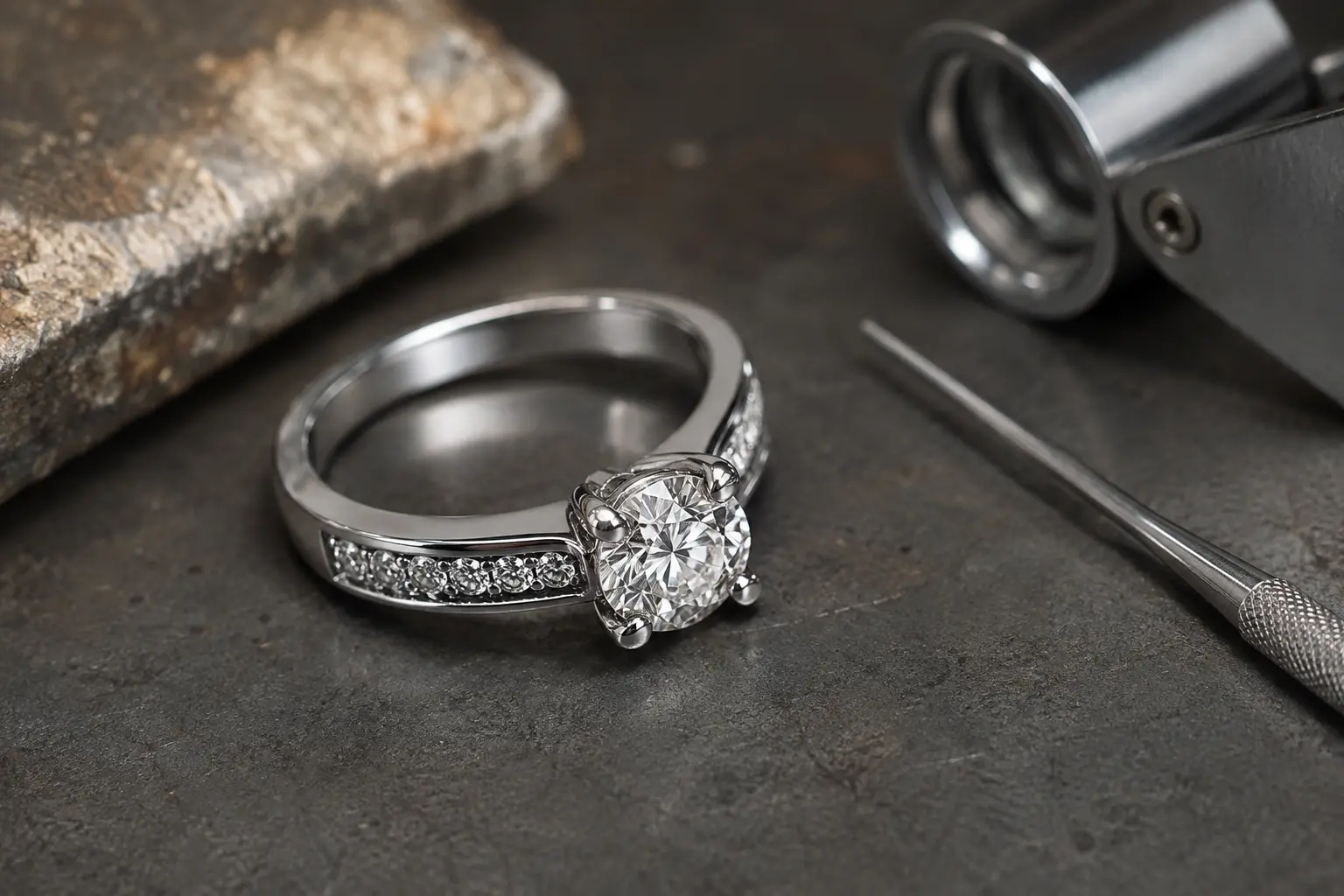
Choosing the right master blend requires looking past basic metal costs and evaluating technical datasheets:
Casting platinum presents unique hurdles, including extreme shrinkage, high oxygen reactivity at elevated temperatures, and aggressive attack on standard investment powders. Using a trusted high-quality platinum jewellery alloy mitigates these risks by stabilizing the melt pool and ensuring clean separation from phosphate-bonded investment flasks.
Watch the Full Video Guide on Platinum Alloy Casting →
In this video, you'll learn how platinum jewellery alloys are formulated, how alloying elements affect casting and fabrication, and how to choose the right alloy for different jewellery applications.
Mastering the production of fine platinum collections requires a combination of precise thermal control, reliable equipment, and premium materials. By integrating a specialized platinum jewellery alloy, your workshop can eliminate costly rejections, boost metal density, and deliver world-class craftsmanship to your clients.
Q: What is the difference between Pt950 and Pt900 alloys?
Pt950 contains 95% pure platinum and is preferred for fine jewellery, offering superior
durability and luster. Pt900 is used for heavier industrial components and offers slightly
reduced cost while maintaining excellent properties.
Q: Can I use the same platinum alloy for casting and fabrication?
While some universal options exist, Ransa Alloys notes that specific formulations yield the best
results. A master alloy optimized for casting often contains elements to improve fluidity, which
can cause cracking or brittleness if used for wire drawing or mechanical working.
Q: Does the platinum alloy affect the final retail price of the jewelry?
The price of the alloy is minimal compared to the value of the finished platinum piece. Using a
premium alloy adds value by significantly reducing your rework costs and improving quality.
Q: What is the best temperature for casting with platinum master alloys?
While this depends on your design, using a professional-grade alloy allows for a more forgiving
temperature range due to its superior metal fluidity and thermal properties.
Q: How often should I change my platinum alloy formulation?
Consistency is key. We recommend finding a master alloy formulation that works for your designs
and sticking to it to ensure predictable, repeatable results in every single batch.
Are you struggling with shrinkage or surface defects in your platinum production? Don't let subpar materials dictate your quality. Our technical team is here to help you optimize your metallurgical processes.
Contact us today for a consultation, or request a sample of our high-performance Platinum Master Alloy to see the difference in your very next cast.
Contact Ransa Alloys today or explore our complete line of specialized platinum & palladium master alloys to optimize your next production batch.
Ready to enhance your craftsmanship? Get reliable, high-quality materials that help you create with confidence and consistency.