Pvt. Ltd.
Every professional jeweler knows that heart-sinking moment: you open the flask after a long casting cycle, only to find the surface riddled with black spots, pinhole porosity, or incomplete fills.
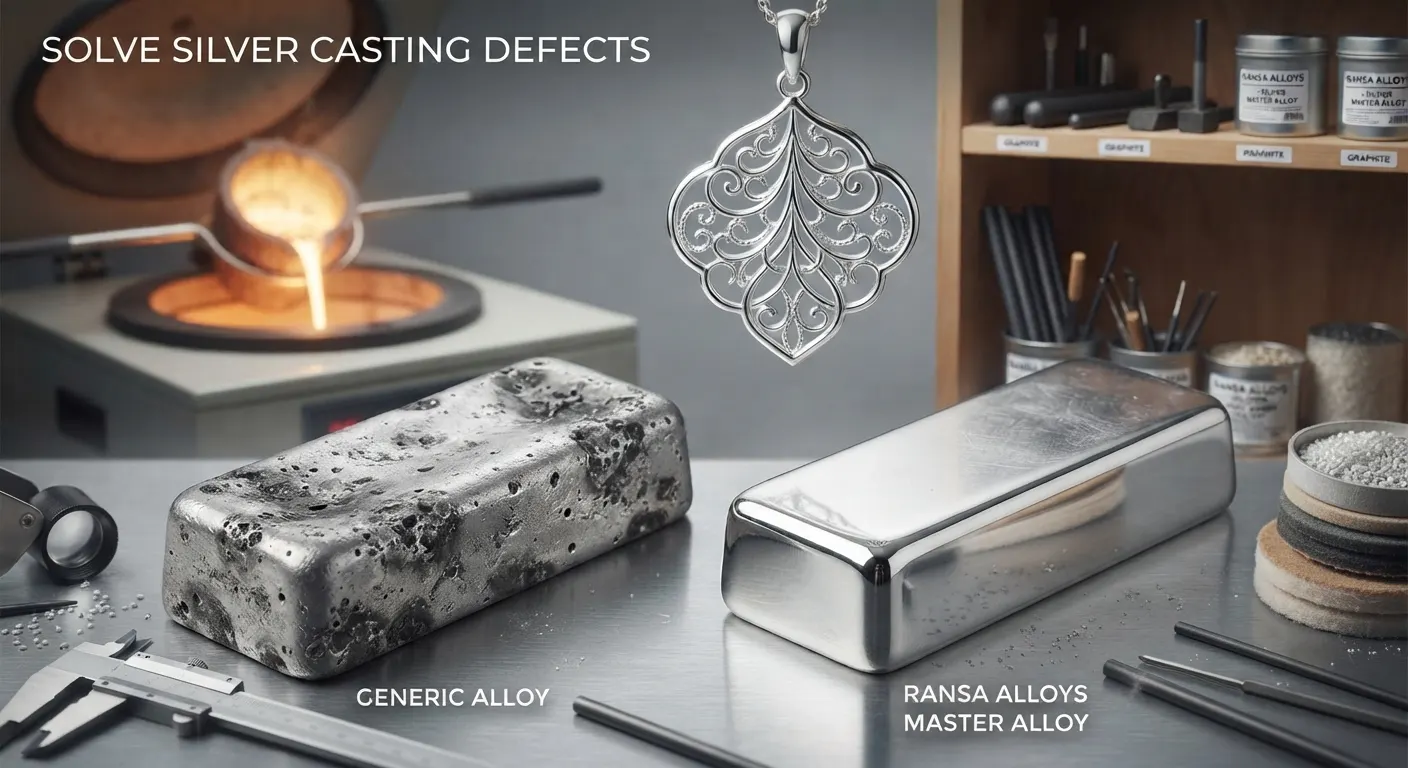
In the competitive landscape of Indian jewelry manufacturing, these casting defects are not just minor cosmetic annoyances; they are silent profit killers that inflate labor costs, waste precious metal, and delay shipments.
While many operators immediately blame their furnace settings, investment powder, or wax patterns, the root cause is often found in the metallurgical foundation of the melt: your Ransa Alloys Silver Master Alloy. By understanding how to stabilize your molten metal at a molecular level, you can transform your production workflow. In this guide, we explore how utilizing a premium-grade master alloy is the most effective solution for achieving flawless 925 silver casting results.
To solve a production failure, you must first identify it. Professional casters typically battle four recurring issues that compromise the integrity of their sterling silver projects:
Many workshops rely on generic copper-silver mixes or low-grade additives from a maker of alloys that lacks specialized metallurgical insight. These materials often lack the chemical "shield" required for high-precision lost wax casting. Without specific alloying elements, pure silver and copper have poor metal fluidity, meaning they struggle to navigate the thin walls of complex jewelry designs.
Furthermore, without a proper deoxidizer, the molten alloy remains highly susceptible to oxygen contamination. This leads to internal gas pockets, surface discoloration, and structural weakness. When you use inferior materials, you aren't just buying "metal"—you are buying a high risk of rejection.
A professional Silver Master Alloy is not a simple additive; it is a precision-engineered metallurgical tool. While pure silver is too soft for daily wear, adding a master alloy modifies the metal to provide the necessary hardness, color consistency, and casting performance.
By switching to a specialized master alloy, you address the chemistry of the metal directly at the source.
A common mistake in the industry is focusing solely on the silver alloy price per kilogram. While premium master alloys may have a higher upfront cost compared to basic copper additives, they provide massive savings when looking at your Total Production Cost.
Investing in a superior alloy is not an expense—it is a strategic decision to maximize your material yield and protect your brand reputation.
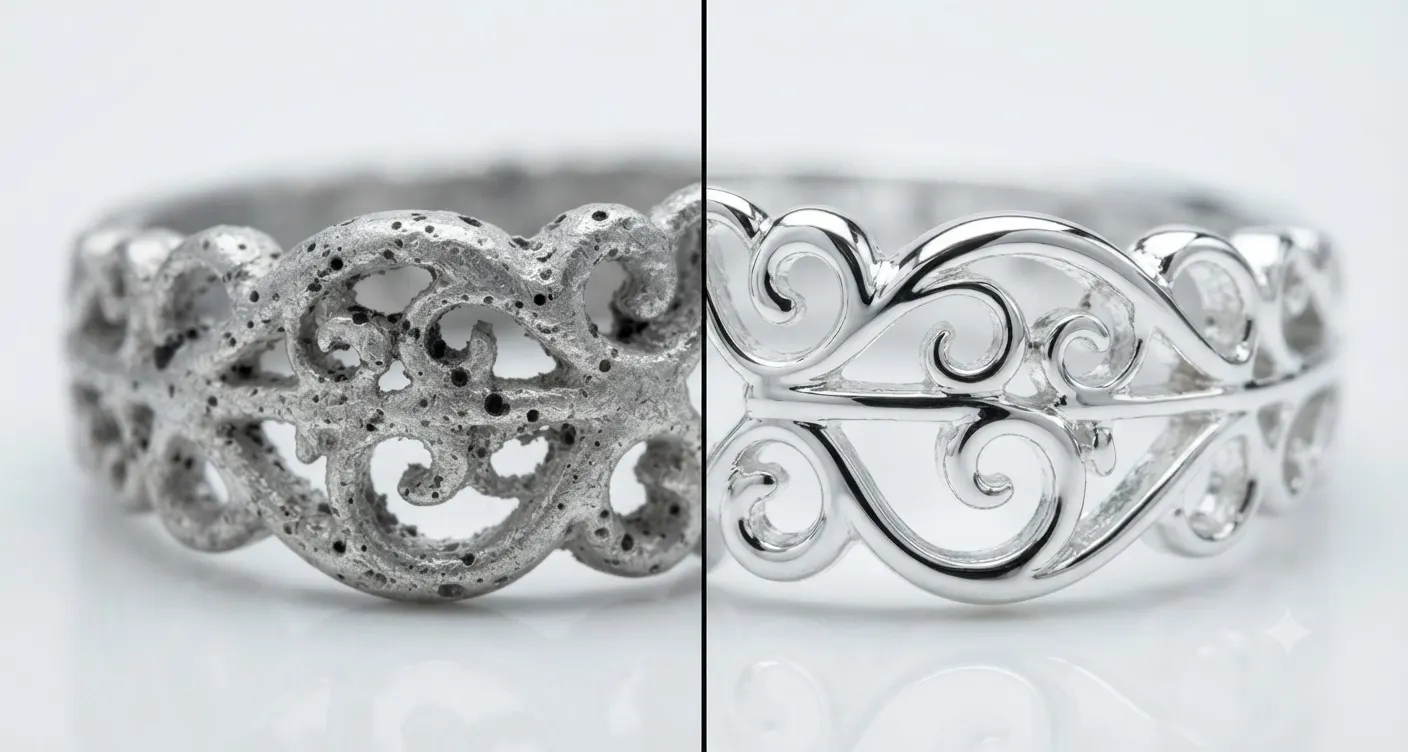
Mastering your casting results is about controlling the variables you can influence. By upgrading to a high-performance Silver Master Alloy, you stop fighting the metal and start producing jewelry that stands out for its durability and professional finish. Don't let casting defects hold your workshop back from reaching its full potential.
Q: Why does my silver jewelry turn black shortly after casting?
This is typically caused by copper oxidation. Using a silver master alloy with advanced
deoxidizers prevents this reaction during the melting process.
Q: Can I use the same master alloy for both casting and wire drawing?
While some universal options exist, Ransa Alloys notes that specific formulations yield the
best results. A master alloy optimized for casting often contains silicon to improve
fluidity, which can cause cracking or brittleness if used for wire drawing or mechanical
working.
Q: Does the alloy affect the final retail price of the jewelry?
The price of the alloy is minimal compared to the value of the finished silver piece. Using a
premium alloy adds value by significantly reducing your rework costs and improving quality.
Q: What is the best temperature for casting with master alloys?
While this depends on your design, using a professional-grade alloy allows for a more
forgiving temperature range due to its superior metal fluidity.
Q: How often should I change my alloy ratio?
Consistency is key. We recommend finding a master alloy formulation that works for your
designs and sticking to it to ensure predictable, repeatable results in every single batch.
Are you tired of recurring porosity or surface defects in your silver production? Don't let subpar materials dictate your quality. Our technical team is here to help you optimize your metallurgical processes.
Contact us today for a consultation, or request a sample of our high-performance Silver Master Alloy to see the difference in your very next cast.
Request a sample of our Silver Master Alloy or ask our team for help with your specific casting challenges.
Ready to enhance your craftsmanship? Get reliable, high-quality materials that help you create with confidence and consistency.